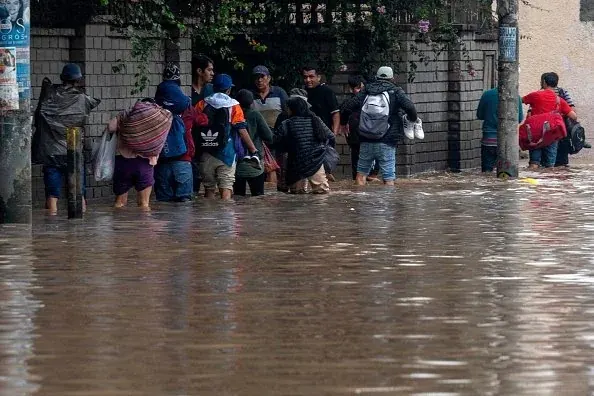
In recent years, Lima has repeatedly experienced flooding (aniegos) that affects not only urban infrastructure but also the health and well-being of its population. These events, far from isolated incidents, result from structural problems, deficiencies in urban planning, and a lack of maintenance in sanitation systems. Beyond flooded streets and traffic disruptions, these overflows pose a serious threat to public health, especially in vulnerable areas.
Aniegos occur when potable or wastewater overflows and floods spaces due to the collapse or rupture of drainage networks. In Lima, a densely populated city with many unplanned urban areas, the main causes are aging networks, poor pipe conditions, illegal connections, and garbage accumulation blocking drains. Additionally, sporadic rains in the nearby highlands generate runoff that causes overflows if the drainage system is unprepared.
The public health impact is severe: stagnant or contaminated water can cause infectious diseases such as diarrhea, cholera, and gastrointestinal infections, which spread faster in vulnerable contexts. It also encourages the proliferation of vectors like mosquitoes and rodents, carriers of other diseases. Furthermore, psychological impacts from loss of belongings or displacement affect mental health, especially among the most vulnerable.
Beyond the visible effects, floods reveal serious deficiencies in water resource management. Breakage of potable water pipes leads to the loss of thousands of litres of treated water, an unacceptable waste in a city where many areas still lack continuous access to the service. When overflows involve sewage, there is a risk of contaminating underground and surface water sources, affecting water quality for other uses, including human consumption. Therefore, floods are an urgent signal to implement integrated water management that includes capture, efficient distribution, and proper wastewater treatment, supported by public investment and citizen education.
Although they may seem like technical incidents, floods reflect the structural fragility of our cities amid growing challenges such as climate change, rapid urbanization, and poor water management. It is paradoxical that Lima, located in a coastal desert with scarce water availability, allows water waste and contamination due to management deficiencies. This problem reveals not only infrastructure failures, but also a crisis in urban planning and institutional commitment. The challenge is collective: authorities, citizens, and professionals must rethink how we inhabit and manage the city, not only to prevent flooding, but to value water as a vital resource and ensure its fair and sustainable use for all.
En los últimos años, Lima ha sido escenario recurrente de aniegos que afectan no solo la infraestructura urbana, sino también la salud y bienestar de su población. Estos eventos, lejos de ser incidentes aislados, resultan de problemas estructurales, deficiencias en la planificación urbana y falta de mantenimiento en los sistemas de saneamiento. Más allá de calles inundadas y tráfico detenido, los aniegos representan una seria amenaza para la salud pública, especialmente en zonas vulnerables.
Los aniegos ocurren cuando el agua potable o residual se desborda e inunda espacios por el colapso o rotura de redes de desagüe. En Lima, con alta densidad poblacional y zonas urbanizadas sin planificación adecuada, las causas principales son la antigüedad de las redes, el mal estado de las tuberías, conexiones clandestinas y la acumulación de basura que obstruye los desagües. Además, lluvias esporádicas en la sierra limeña generan escurrimientos que provocan desbordes si el drenaje no está preparado.
El impacto en salud pública es grave: el agua estancada o contaminada puede provocar enfermedades infecciosas como diarreas, cólera e infecciones gastrointestinales, que se propagan con mayor rapidez en contextos vulnerables. También favorece la proliferación de vectores como zancudos y roedores, causantes de otras enfermedades. Además, el impacto psicológico por pérdida de pertenencias o desplazamiento afecta la salud mental, sobre todo en los más vulnerables.
Más allá de lo visible, los aniegos evidencian graves deficiencias en la gestión del recurso hídrico. La rotura de tuberías de agua potable provoca pérdida de miles de litros de agua tratada, un desperdicio inadmisible en una ciudad donde muchas zonas aún carecen de acceso continuo al servicio. Cuando involucran aguas servidas, existe riesgo de contaminación de fuentes subterráneas y superficiales, afectando la calidad del agua para otros usos, incluido el consumo humano. Por ello, los aniegos son una señal urgente para implementar una gestión integral del agua, que incluya captación, distribución eficiente y tratamiento adecuado de aguas residuales, apoyada en inversión pública y educación ciudadana.
Aunque puedan parecer incidentes técnicos, los aniegos reflejan la fragilidad estructural de nuestras ciudades ante desafíos crecientes como el cambio climático, la urbanización acelerada y la mala gestión del agua. Es paradójico que Lima, situada en un desierto costero con escasa disponibilidad hídrica, permita el desperdicio y contaminación del agua por deficiencias en su gestión. Este problema revela no solo fallas en infraestructura, sino una crisis de planificación urbana y compromiso institucional. El reto es colectivo: autoridades, ciudadanos y profesionales deben repensar cómo habitamos y gestionamos la ciudad, no solo para evitar inundaciones, sino para revalorar el agua como recurso vital y asegurar su uso justo y sostenible para todos.
References (3)
- Depaula, P. (2019). Huaycos in the Lima district of Lurigancho-Chosica: urbanization, social vulnerability, culture and community resilience. ConCiencia EPG, 4(1), 78–91. https://doi.org/10.32654/CONCIENCIAEPG.4-1.5
- Grupo Hidráulica (2019). Agua y saneamiento. Aniego de agua en Lima, una situación alarmante: ¿por qué ocurren y cómo evitarlos? https://grupohidraulica.com/noticias/2021/10/13/aniego-de-agua-en-lima-por-que-ocurren-y-como-evitarlos/
- Moreno, M. (2017, March 25). Hundreds of thousands affected by devastating floods in Peru. UNICEF. https://www.unicef.org/stories/hundreds-thousands-affected-devastating-floods-peru